博雅教育 《轉貼》Liberal Arts Education (repost)

台灣東海大學程海東校長來港,談《培育 21 世紀人才——大學的責任》,論述他全力實踐的博雅教育(Liberal Arts Education),推動小型的書院學習,抗衡愈來愈膨脹的教育體系,將過分專業化與工具化的學習模式重新調整,增強互動及彈性,避免師生關係疏離,很精采!

他用 4 點概括這理念:1. 培育學生融會穿梭不同知識,成為一個「自由人」,不要做視野狹隘的「奴隸」。歐洲中古世紀的博雅教育範疇多元,包括文法、修辭、邏輯、幾何、代數、音樂及天文等科目,與中國古代六藝相通;2. 教育並非機械式教導課程,更要涵蓋人生正確方向、價值觀、信念,師生接觸必須密切;3. 透過全人教育模式,以小班教學環境,全校學生不過 2,000 人,師生於課堂內外全方位學習,培育「通才」;4. 人格導向為本,安身立命與修身養性之學,異於職業或實用教育。

程校長認為,畢業後,學科可能不管用,但留下一生受用的人格價值。如果我們相信唸大學,並非為第一份工,而是為人生最後一份工作做準備,從自主學習中,及早認識及實現自我,就變得很重要。校長是物理學家,他用電流方程式與五綫譜對比,說明電力與音樂,對人類文明生活同等重要。

簡報尾聲,他帶領席上幾位校友,高唱東海校歌,肉緊投入,音樂真的在這位理科生身上發熱發光,為博雅教育作了最佳詮釋。

這麼博大又雅致並具備人文個性的教育理念,用於家教可以嗎?中小學呢?幹嗎要等待學生年滿 18 歲,有機會上大學才可享用?

撰文:劉子牛 註冊社工

香港經濟日報 2011年02月23日 星期三 副刊

(PS: 有興趣可以閱讀程校長在07年發表的「培育21世紀的人才-智商、情商、靈商」,很有意思。)

中大革新 讀醫看《華佗列傳》 (轉貼)


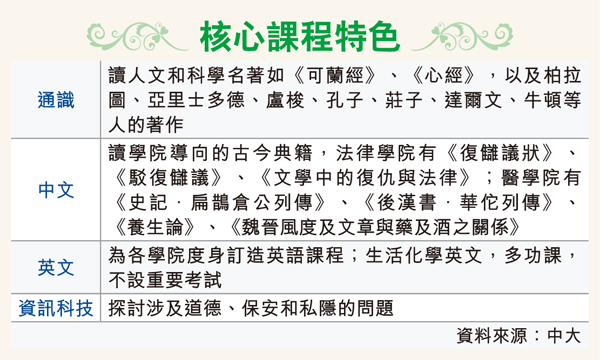
【本報訊】三三四下大學紛紛革新課程,中大將實施全民做研究及參加海外交流活動,並實行「去考試化」、以大量功課取代考試「谷」英文。核心中文課程為各學院度身訂造,學生看《華佗列傳》和《復讎議狀》學習醫科和法律;通識則由《可蘭經》和達爾文的著作開展。

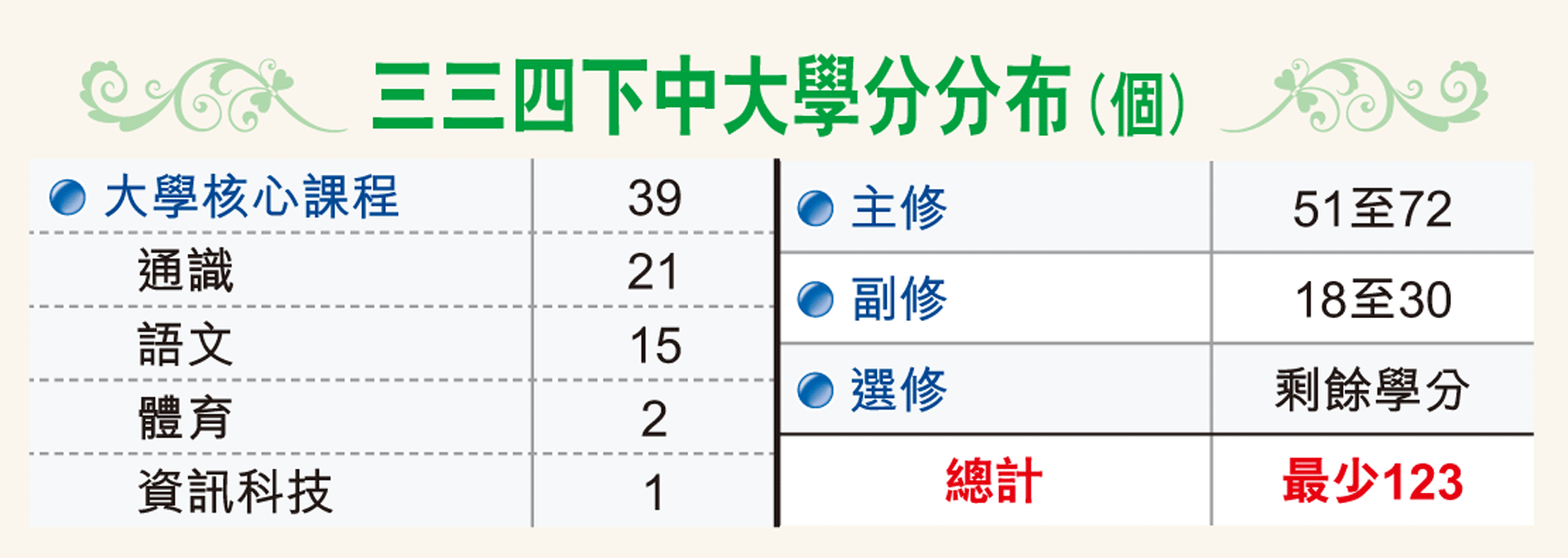
中大在2012年實施4年制後,學生需由現時修讀99個學分增至123個,當中核心課程由23個學分大增至39個。英文課程將由現時佔3個學分,增至9個,並新增針對各學院的專用英語課程。

各學院「去考試化」 多看典籍

該校英語教學單位主任柯安迪稱,各課程設有小測試,但不設佔分比重高的考試:「學生要在14周內做10樣功課,不會沉悶地學文法,而要貼近生活,例如要閱報、模擬記者會對答等。」

中文則由古今文學作品着手,如法律學院以「復仇」為閱讀主題,學生要讀名著《復讎議狀》,了解箇中法治、禮教等精神;醫學院學生則讀古代醫書,如《後漢書.華佗列傳》。

通識都不離人文和科學經典名著,需修讀《心經》、思想家莊子,及科學家達爾文等的著作,從古人智慧反思現代問題。

原本不佔學分的資訊科技科,將來會佔1個學分,除傳授最新相關知識外,亦重視透過專題研究,探討涉及道德、私隱和保安的問題。

專題報告拍片 導師課前看

中大資訊科技教育促進中心主任李浩文稱,計劃設立一個類似youtube的內聯網網站,供學生上載專題報告片段:「導師在上導修課前已看過片段,上堂時就有更多時間讓學生作討論。」有關系統更可能在其他課程應用。

中大副校長楊綱凱表示,新制下中大有兩個100分:「100%學生會在主修科汲取研究經驗、100%學生可外出交流。」長達一個學期或以上的交換生計劃,亦會有30%學生可參與。

他補充,將來會透過論文、專題研習等評核學生成績,不會看重考試。校方正試推新課程,並會於今年作檢討。

(香港經濟日報 2011年01月26日 星期三 港聞)

通識狂想曲 GE rhapsody

pass or fail

Still on the subject of General Education… From time to time, you hear complaints about our university graduates. Some of the criticisms are just stereotyping but some are worth giving more thoughts. My observation is that many students don’t want to get out of their comfort zones and take more risks in learning new things, trying out new ideas, meeting new people…etc. I think this is because things have been laying down for them so well by their parents. This is not good for training their independence and problem solving skills which are the essentials in life! Our new 4-year university structure has a large GE component which aims to improve students’ independent & critical thinking skills, widen their horizons…etc. In my earlier post, I observed that some students choose GE courses that are related to their majors because they simply want better grades. That would defeat the purpose of GE. How do we encourage students to explore new things? Here are two thoughts:

  • No grades, just a pass or fail

Many teachers will be uncomfortable about this idea arguing that no grades equal no motivations from students. But is it? There are many literatures stating that grades create anxiety and unnecessary competitions among students which are the learning obstacles. Grades or not will not stop the highly motivated students from learning. It is the average to low motivated students, which is the majority in most cases, deserve more help and caring from the teachers.

  • No prescribed area/domain of study

A majority of universities divides the GE into several areas or domains and students are required to study courses from all areas so that they can gain a broader knowledge. This is a good thing to do but if we want our students to be more independent, can we do more? Instead of forcing them with rules of course selection, can we let them choose what they want to study, especially when all the courses have only passes or fails. To one extreme, students may choose courses only in the areas that are familiar to them, but that’s ok. If they choose grades over the potential opportunities to widen their knowledge, they may realize later in life that it is probable not a good decision. Well, at least they realize that and would make efforts to gain the knowledge back… may be a bit late that teacher would want, but the important thing is that a lesson has been learned and education is a long-term thing. I think this way will give more responsibilities to the students. They have to learn to live up with their decisions. Amherst College (see my previous post) let students choose their own courses and I think this is a true liberal mode that we should consider.

我對通識的睇法《三》My view on GE (3)

Learning partners

碰到不少讀緊或讀過GE嘅學生,有d學生嘅心態係想攞高GPA所以會盡揀自己讀過或同主科相似的GE科黎讀;有d就因為種種原因被迫而上,咁自然佢地淨係想pass,唔會有太大興趣上果科GE。好唔好彩,好多時老師要面對後一類的學生為大多數,花心思去提高佢地學習動機真要花不少心機。

宜家教書講緊唔係只係傳授知識咁簡單,有說法主張老師與同學要視對方為learning partners,咁樣學習才最有效,所以有老師稱自己為facilitator或collaborator,如果係咁嘅話,設計GE課程甚致其他課程時係咪要做d研究關於d partners即是學生們呢?想法有d斐而所思,因為傳统黎講學生去到學校學d乜完全冇話事權架嘛。

最近智經研究中心 (Bauhinia Foundation Research Center) 向一千多位16至35歲嘅香港市民做咗一個叫「年青人多樣化」的調查,結果在「個人抱負:十年目標」一項中,只有15.4%人選擇「貢獻社會」為目標,1.2%選擇「到內地生活」,在「工作期望:理想工作條件」一項中,最少受訪者將「 能增進對中國內地的視野」及「能擴闊國際視野」視為好工作的條件。大件事!佢地不放在眼內的東西就是學校想要佢地識或做的東西!唔怪得當學校期望佢地畢業之後要貢獻社會,佢地會聽到訓教啦!每間大學甚至新高中嘅通識,一定會涉及中國國情及國際視野,但係原來佢地唔太care!最擔心嘅係近半數受訪者考慮未來10年移居其他城市,其中84%是為了追求較佳生活質素!我未知果一千受訪者嘅詳細教育背景,但呢個調查係咪要提醒我地要在課程設計上,尤其在通識科目,要反思一下what the students want呢?

通識巡禮之高中篇 GE Overview – Secondary School

新高中有科Liberal Studies (LS),入面分作3個 Area of Study,分別係:

  1. Self and Personal Development
    1. Personal Development & Interpersonal Relationships
  2. Society & Culture
    1. Hong Kong Today
    2. Modern China
    3. Globalization
  3. Science, Technology & the Environment
    1. Public Health
    2. Energy Technology & the Environment

教育局份指引成二百頁都寫得好清楚,寫得咁死好難發揮liberal 精神,唔寫得清楚老師又無所適從,真係兩難!呢3個areas 都喺通識常見的area,咁闊嘅course 一個老師可以教哂嗎?大學就話可以team teach 啫,中學可唔可以team teach 架?如果LS / GE 係鼓勵獨立批判思考,學生如果寫d野真係有獨特的觀點,評卷員點比分呢?真係好想睇吓份marking scheme。另外一個問題係中學嘅LS同大學GE嘅涵接又點呢?

我對通識的睇法《二》My view on GE (2)

GE ladder

最近同舊同事傾開GE (一齊工作嘅時侯各有各忙反而冇時間坐底傾吓 sosad),佢話GE對好多學生黎講都係閒科,想hea過就算,對GE老師黎講就係好洩氣,學生好多時都話GE科同佢主科冇乜關係,無論老師點講GE的好處都好,好多時學生總想要sample answers,又好難怪嘅,而家有幾多學生有日日閱報睇下社評嘅習慣架? GE如果有少少深度,即刻比學生剷到上天都得啦!所以佢話GE structure 諗得幾巧妙都好,學生都只係想快d攪掂,唔好咀住d主科 😦 我又好想知道僱主點睇呢?大公司我就知道佢地鍾意d學生有多d GE,但係香港大部份都係中小企,佢地又點睇大學轉4年新制呢?究竟大學個新制內容有冇問下僱主嘅意見?又或者應唔應該問呢?2012年之後新高中有通識科,學生到時會有初步的概念,上到大學會唔會有心機上GE呢?

博雅書院三小龍 Liberal Arts College – The Little Three

之前提過如講起出名嘅Liberal Arts College,以下呢三間係被公認為最top,等我睇吓佢地點攪GE先。

Amherst College

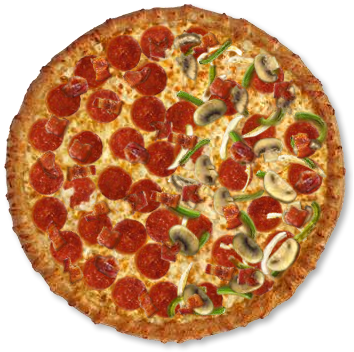
Amherst 採用open curriculum,即係乜呢? 好多大學都將GE (或叫Core)分成幾個area然後學生要喺每一area最少修讀一科,Amherst 就完全放手比學生任揀,所以你明白真正 “Liberal” 個字係點解。 除了Major科之外,學生要負責計劃自己個 curriculum,每個學生都可能唔同,用我之前講過嘅 Pizza Model 黎比諭,呢個直頭係比學生揀整乜pizza,佢鍾意可以整一個全肉類嘅pizza都得(幾他大學要force你有芝士同蔬菜)! 但呢個咁liberal model會否在HK行得到呢?

Wesleyan University

WesleyanGE就似番一般做法,分以下3個area:

  1. Natural sciences and mathematics (NSM)
  2. Social and behavioral sciences (SBS)
  3. Humanities and the arts (HA)

學生在頭兩年(Stage 1)要在每個area修畢2個course credit,在最後兩年(Stage 2)要在每個area修畢1個course credit 先可以畢業,即是total 9個GE course credits。

Williams College

WilliamCore 資料睇到我眼花 😐 ,冇chart又冇圖。學生要喺以下3個division 裡面修畢每個 division裡面3個courses,每個division裡面其中兩科一定要喺昇Year 3前完成。

  1. Languages and the Arts
  2. Social Studies
  3. Science and Mathematics

我對通識的睇法 My views on general education

做完個GE小小survey發覺其實8大學嘅主要目標差不多,只係執行上有分別。同一位教授傾開,佢話如果可以比我從新設計過GE,我會點做,呢個大topic真係需要時間同研究先可以答得好,我自己絕對唔係GE專家,經過之前做個survey,我有小小想法分享一下。

我地現時設計大學的課程都好綫性(linear),學生以時間(time)去進級,例如學生在year one term 1 讀 Maths. I,pass之後就可以在下一年(year two)繼續讀Maths. II,如此類推,呢個想法Sir Ken Robinson 都挑戰過,所以不在此重覆;新學制加入30-40%通識似乎打散咗小小個綫性,情况我比喻為要做一個pizza咁:

The Pizza Model

Pizza 上面不同嘅toppings 就好似GE (或有大學稱之為Common Core) 不同的 area /domain /cluster 咁,例如你想整一個雜錦pizza,你便走去放肉類嘅容器揀你想要嘅肉放落去個底上面,就好似在GE Area 1 揀 course A, B, C…etc.咁,通常大學會將d互相配合嘅材料放比學生揀(呢個都係問題,留番遲d講),但係好多時大部份學生都有困難將不同GE科目連結在一起,又或者覺得GE同本科Major冇關係,當然如果有人生閱歷就可以串連一起並知道everything connects to everything,但學生沒有工作經驗又未試過任何大挫敗,係好難貫通嘅,就等於個pizza個底做得唔好(甚致沒有底),咁樣個pizza點會好食呢?要針對90後嘅學生,點樣整個好底托起所有toppings呢? 其實大學生嘅終極價值係點樣用方法去解決千奇百怪的問題,是嗎?咁你話每一科都要做大大小小的project,同個別degree都有final-year project,咪可以訓練學生嘅problem solving skills囉?係可以,但係都侷限於學生所讀嘅專業範圍,但係現實嘅問題複雜得多,例如香港要起高鐵,點止係工程問題咁簡單呢?我想不如要學生做一個Super Integrated GE Project,有以下特點:

  • Group work – 要有n+1位成員,n是你大學有幾多schools或faculties,例如中大有8個undergraduate學系,咁n=8,每一位project成員就讀不同學系(可重覆一次),可以由電腦中央分派。呢個做法係針對現在學生很少兄弟姊妹,訓練佢地同唔同背景嘅人合作,現實世界都係咁架啦,你係唔可以揀同邊個合作。
  • Time-based topic – 好多時老師比同學做嘅project一開始set咗就係咁,中途係唔會改requirements,但係現實點會係咁架,做工程都會有原材料突然加價嘅問題啦。學校會提供server platform (cloud computing) 比學生做 project management,老師可以定時/不定時通過server通知學生個project parameters有變,睇下佢地點樣做risk management同反應,有小小似simulation game,但唔需要咁real-time。
  • Solving problems in different perspectives – project 可以由一個panel想出黎,panel member由各個學糸派出教授,一個project可以由多過一組學生負責以提高鬥心,並要求學生以多角度去提出一套可行嘅solutions,咁project嘅性質就要複雜d,學期完做一個solution week,每組present自己嘅solution由一個panel去評分,成員可以有校外專家參與。

攪一個好嘅GE需要心機、vision同資源,唔知我呢個idea可行嗎?請賜教!

通識巡禮之本地八大〈二〉 GE Overview – the Local Eight (Part 2)

HK Polytechnic University (HKPU)

PolyU學生要讀以下4個areas的Compulsory Core 科目:

  1. Human Nature, relations and Development
  2. Community, organization and globalization
  3. History, culture and world views
  4. Science, technology and environment

再加上Chinese, English 及 Free Electives 才可以畢業。

City University of HK (CityU)

CityU學生要修畢以下3個areas 總共12個credits (每個area最少3 credits):

  1. Arts and Humanities
  2. Study of Societies, Social and Business Organizations
  3. Science and Technology

再加上English (6 credits) 同 Chinese Civilisation – History and Philosophy (3 credits) 。

HK Baptist University (HKBU)

一早以全人教育為中心嘅浸大,對GE嘅要求係學生必修以下Core (26 units):

  • English (6 units)
  • Chinese (3 units)
  • Public Speaking (3 units)
  • Info.Management Technology area (3 units)
  • Numeracy area (3 units)
  • PE area (2 units)
  • History & Civilization area (3 units)
  • Values & Meaning of Life area (3 units)

再從以下 4 areas (自己所屬學院除外) 修12 units:

  1. Arts
  2. Business
  3. Communication/Visual Arts
  4. Science/Chi. Medicine
  5. Social Sciences

Lingnan University (LNU)

以博雅教育為目標嘅嶺南Core Curriculum又點安排呢?學生要修畢33 credits,以下是必修的4科:

  • Logical & Critical Thinking
  • The Making of HK
  • Understanding Morality
  • World History & Civilization

加上以下5個Clusters讀7個courses, 而每個cluster至少讀一科:

  1. Creativity & Innovation
  2. Humanities & the Arts
  3. Management & Society
  4. Science, Technology & Society
  5. Values, Culture & Society

HK Institute of Education (HKIED)

IED嘅GE資料公開得比較簡單。學生要讀6個courses,以下4個areas 每個area 至少讀一科最多兩科:

  1. Philosophical & Spiritual
  2. Literary & Artistic
  3. Social & Historical
  4. Scientific & Technological

通識巡禮之本地八大〈一〉 GE Overview – the Local Eight (Part 1)

由於新學制3-3-4,大學由三年轉四年,好多大學一早為2012轉新制做準備,今次我地睇吓本地八間大學的GE安排,Part One首先睇下三間研究型大學。

Chinese University of HK (CUHK)

CUHK係為一本地大學採用類似劍橋、哈佛嘅書院制,由於要應付額外的中學畢業生,中大決定開多幾個新書院,有d書院要求學生要四年全宿。

中大通識分兩部份:一部份由中大通識教育部中央統籌管理,所謂「大通」,佔大部份;每個書院亦會根據自己嘅特式去制定兩、三科通識科目比自己書院嘅學生,呢d就係「細通」。我對呢個concept覺得幾好。

所有undergraduate由2012開始,要必修一科GE Foundation (6 credits,上半部份 In Dialogue With Humanity 及下半部份 In Dialogue With Nature),大通要在以下四個areas每個area修至少一科。

  1. Chinese Culture Heritage
  2. Nature, Technology and the Environment
  3. Society and Culture
  4. Self and Humanity

小通通常有2-3科,好視乎每個書院嘅理念而安排。中大學生通識科總共佔21 credits (主修科目大概60 credits),中大生仲要必修Physical Education (2 credits), 及同其他大學一樣的Languages課程。

University of HK (HKU)

在資料搜集過程中,都去過好多唔同大學嘅web,HKU關於GE個web真係做得好,夠informative之外design夠簡潔young同trendy,booklet都經過精心設計,睇得出HKU落咗唔少心機,網絡資訊爆炸年代,content重要但個presentation同樣或甚至更重要,一d non-credit bearing GE courses 絕對係為年青人而設計, 十個like !佢地亦都將過往內部討論新制的會議video 放哂上網,高度透明!

HKU學生的Common Core (佢地以乎用”GE”個term喺非學分course上)有4個areas可以揀,每個area再分有4-5個themes:

  1. The Humanities
    1. The creative arts
    2. Historical Awareness: Past & Present
    3. Language, Communication & Society
    4. Mind-body-spirit
    5. Ethics & Society
  2. Global Issues
    1. Global Issues, Local Lives
    2. Challenges of Global Governance
    3. Globalization & Economic Development
    4. Global Ethics & Citizenship
  3. China: Culture, State & Society
    1. Chinese Culture
    2. Chinese Civilization
    3. China’s Changing Environment
    4. The Rise of China in the 21st Century
  4. Scientific & Technological Literacy
    1. The Nature & Methods of Science
    2. Science, Technology & Society
    3. Science, Technology & Global Issues
    4. Science & Technology in Everyday Life
    5. Frontiers of Science & Technology

University of Science and Technology (UST)

科大的Common Corestructure比較簡單,2012新學制開始,學生要修夠36 credits (out of 120-126),可以喺以下4個areas揀科讀:

  1. Science & Technology (6 credits)
  2. Social Analysis (6 credits)
  3. Arts & Humanities (6 credits)
  4. Quantity Reasoning (3 credits)

再加上以下必修科目:

  • 以上4個areas再揀讀6個 credits嘅 core electives
  • English Communication (6 credits)
  • Chinese Communication (3 credits)
  • Healthy Lifestyle (non-credit)

下次再講其他幾間U嘅GE安排。

通識巡禮之長春滕三大 GE Overview – the Big Three Ivy Leagues

愈睇得多GE愈有興趣,香港d大學都走向近似美式四年制,咁不如睇下美國三間名Univ. 點樣安排GE。

Princeton University

喺New Jersey 嘅Princeton University, 所有undergraduate 學生一定要完成

  • Writing Requirement
  • Foreign Language Requirement

讀BA (佢地叫A.B.)嘅學生需要在Distrbution Requirement內完成唔同嘅範圍:

  1. Epistemology and Cognition (1 course)
  2. Ethical Thought and Moral Values (1 course)
  3. Historical Analysis (1 course)
  4. Literature and the Arts (2 courses)
  5. Quantitative Reasoning (1 course)
  6. Science and Technology with lab. (2 courses)
  7. Social Analysis (2 courses)

如果讀B.S.E (Science & Engineering) 嘅學生要由humanities and social sciences範疇7 courses 黎讀,再加上由以上六個範疇(剔除Sci. & Tech.及Qty. Reasoning,加番Foreign Lang,)揀四個範疇讀4科。

Yale University

另外一間名U耶魯大學,佢地對undergrad.有以下GE的Distribution Requirement:

  1. Humanities and Arts (two course credits)
  2. Sciences (two course credits)
  3. Social Sciences (two course credits)
  4. Foreign Language (at least one course)
  5. Quantitative Reasoning (two course credits)
  6. Writing Skills (two course credits)

Harvard University

哈佛大學又如何呢? 佢嘅要求係以下八個範疇每一個範疇讀一科:

  1. Aesthetic and Interpretive Understanding
  2. Culture and Belief
  3. Empirical and Mathematical Reasoning
  4. Ethical Reasoning
  5. Science of Living Systems
  6. Science of the Physical Universe
  7. Societies of the World (SW)
  8. United States in the World

下一次睇下本地大學點攪啦。

甚麽是通才教育? What is Liberal Arts?

What's General Education?

最近有機會被問起乜叫Liberal Arts (中文又譔博雅教育、通識教育等),突然語塞,有d內疚因畢竟都接觸咗咁耐,唔緊要,反應唔夠快就將勤補拙啦,冇野係唔可以學嘅,終身學習都係通識精神嘛!從 Wiki 維基或者個名都略知一二,佢係注重通識教育培育通才,同訓練專業如醫生、會計師、工程師等概念相反,據大英百科全書定議:

“college or university curriculum aimed at imparting general knowledge and developing general intellectual capacities, in contrast to a professional, vocational, or technical curriculum”

美國有好多Liberal Arts Colleges,通常都係小規模,注重師生之間的互動及關係,三大長春滕(Ivy League) 大學Harvard, Yale and Princeton 就好多人知,Liberal Arts也有「三小長春滕」,就係Amherst College, Wesleyan University and Williams College,佢地通常都會以小班教學為主(<30人)方便互動討論。通識教育係一個世界大趨勢,香港中學新高中課程都有一科Liberal Studies,大學為應付334新學制都已經有新degree structure加入大量通識科目。

維基 quote咗一本書的作者寫點解通識咁重要:

“In a complex, shifting world, it is essential to develop a high degree of intellectual literacy and critical-thinking skills, a sense of moral and ethical responsibility to one’s community, the ability to reason clearly, to think rationally, to analyze information intelligently, to respond to people in a compassionate and fair way, to continue learning new information and concepts over a lifetime, to appreciate and gain pleasure from the beauty of the arts and literature and to use these as an inspiration and a solace when needed, to revert to our historical past for lessons that will help shape the future intelligently and avoid unnecessary mistakes, to create a sense of self-esteem that comes from personal accomplishments and challenges met with success.”
我會喺呢道再寫多d關於General Education (GE)嘅野,留意!